Cairngorms
National park in Scotland
| Coordinates: | 57.06, -3.63 |
|---|---|
| OS grid ref: | NO 01 97 |
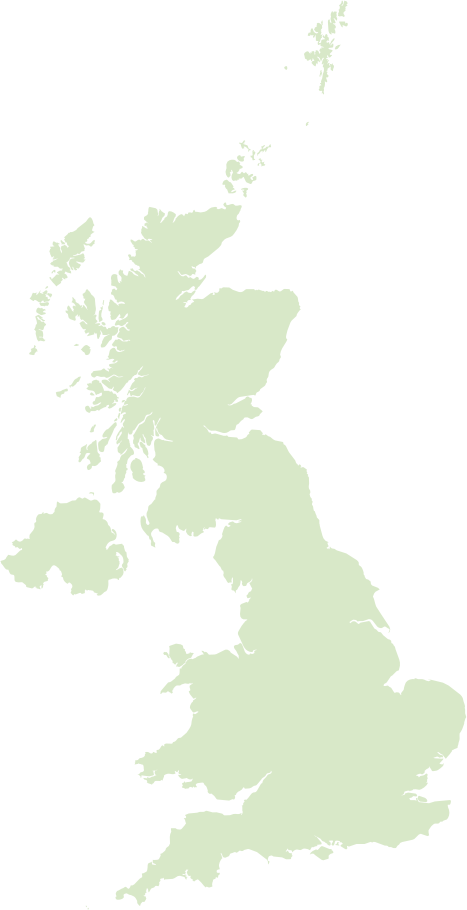
Cairngorms National Park sits in the heart of the eastern Highlands of Scotland and is the largest national park in the United Kingdom, covering roughly 4,500 square kilometres. The landscape is a mix of high plateaux and steep granite mountains, including the UK’s second‑highest summit, Ben Macdui, and the distinctive summit of Cairn Gorm. Major rivers such as the River Spey and the River Dee rise here and carve long glens that contrast with the windswept, almost tundra‑like upper slopes.
The park is important for conservation: remnants of Caledonian pine forest, montane heath and blanket bog support species like capercaillie, ptarmigan and red deer, and you’ll even find the UK’s only free‑ranging reindeer herd in the Cairngorms. Large areas are designated as national nature reserves and sites of special scientific interest, and active habitat restoration projects aim to balance native woodland regeneration with moorland and sporting land uses.
People have shaped the area for millennia, from Bronze Age cairns to the later estates and crofting communities that characterise much of its history. Today the economy blends tourism, hill sports and winter skiing on Cairn Gorm, forestry and the whisky industry centred around Speyside, with the resort town of Aviemore acting as a gateway. Historic land management, estate culture and the memory of clearances sit alongside newer conservation and community land‑ownership movements.
Visiting the park offers everything from quiet glens and wildlife watching to busy outdoor hubs, and it’s relatively accessible from cities such as Inverness. Local communities hold on to strong Highland traditions - music, Gaelic roots and seasonal events - while also negotiating the challenges of seasonal economies, housing and preserving a fragile mountain environment for future generations.
Towns and villages in Cairngorms National Park
- Aboyne, Upper Deeside and Donside Ward
- Aviemore Place
- Badenoch and Strathspey Ward
- Ballater Place
- Blairgowrie and Glens Ward
- Brechin and Edzell Ward
- Grantown-on-Spey Place
- Highland Ward
- Kingussie Place
- Kirriemuir and Dean Ward
- Nethy Bridge Place
- Newtonmore Place
- Speyside Glenlivet Ward